South Atlantic Water Science Center - North Carolina Office
|
Project OverviewFull Title Location Partner Agencies Project Chief Period of Project Team Members Science Topic USGS IN YOUR STATEUSGS Water Science Centers are located in each state. 
|
Onslow County Region Groundwater Flow ModelThis project was completed in 2012. These pages are for historical purposes only. Introduction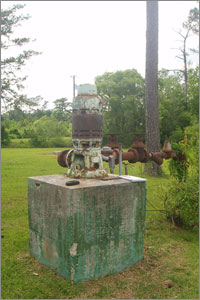
Monitoring well, Onslow County Increased development of the Castle Hayne (carbonate) aquifer has occurred in Onslow County as a result of reduced withdrawals from the Cretaceous aquifers. Increased groundwater withdrawals from these aquifers and their close proximity to the Atlantic Ocean increase the potential for movement of saltwater into the aquifers. The most recent comprehensive groundwater study conducted in Onslow County was completed in 1989 (Lyke and Winner, 1990); an up-to-date groundwater flow model is needed to assess the long-term effects of groundwater withdrawals on groundwater levels and saltwater movement in the area. |

 U.S. Department of the Interior |
U.S. Geological Survey
U.S. Department of the Interior |
U.S. Geological Survey
URL: https://nc.water.usgs.gov/projects/onslow_gw/index.html
Page Contact Information:
North Carolina Web Development Team
Page Last Modified: Monday, 05-Dec-2016 11:04:54 EST

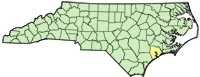
 In and around Onslow County, NC